

Most of the data that would help a business make better decisions doesn’t live inside the business. It lives on competitors’ websites, in marketplaces, in directories, in news feeds, and in public records. The challenge has never been that this data exists; it’s that extracting and organising it at scale used to be impractical without a small army of analysts.
Web scraping, done responsibly, changes that. It turns the public web into a data source you can query, monitor, and reason about. From pricing intelligence to lead generation to market research, scraping has become a core capability for data-driven businesses. This guide covers what strategic web scraping looks like, where it delivers value, the legal and ethical boundaries that matter, and how to do it reliably.

What Web Scraping Actually Is
Web scraping is the automated extraction of data from websites. Instead of a person copying information by hand, software fetches pages, identifies the relevant data within them, and structures it into a usable format: a spreadsheet, a database, an API, or a dashboard.
It’s worth distinguishing scraping from related concepts. Screen scraping typically refers to reading what’s displayed in an interface. API access is the preferred way to get data when a site offers one, because it’s stable and sanctioned. Web scraping is the fallback for the vast amount of data that has no API, which is most of it.
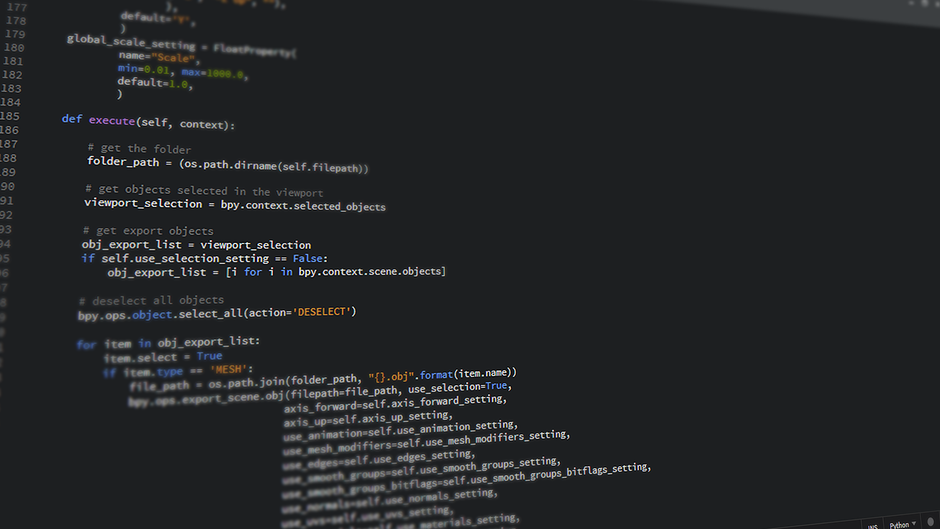
Done well, scraping produces clean, structured, regularly updated data that feeds dashboards, alerts, models, and decisions. Done poorly, it produces broken pipelines, legal risk, and data you can’t trust.
Where Web Scraping Delivers Strategic Value
The highest-value scraping use cases share a pattern: they involve data that changes and matters, monitored at a scale no manual process could match.
Competitor and Pricing Intelligence
For retailers and brands, knowing competitor pricing in near real-time is a genuine advantage. Scraping lets you track how competitors price their catalogue, when they run promotions, and how they position products, then adjust your own strategy accordingly. What used to be quarterly market scans becomes daily intelligence.
Lead Generation and Enrichment
Building targeted prospect lists from directories, industry listings, and public profiles is one of the most common commercial uses of scraping. Combined with data enrichment (adding firmographics, contact details, and context), it produces far richer lead pipelines than generic purchased lists.
Market and Trend Research
Scraping job postings, news, forums, and social platforms surfaces trends before they show up in reports. What skills are competitors hiring for? What products are customers discussing? What complaints recur across reviews? The web is an enormous, constantly updated research dataset if you can capture it.
SEO and Content Intelligence
Scraping search results, competitor content, and backlink data informs SEO and content strategy. Understanding what ranks, what topics competitors cover, and how content is structured helps you compete for attention more effectively.
Product and Catalogue Monitoring
Manufacturers and distributors monitor marketplaces for unauthorised sellers, counterfeit products, and pricing violations. Scraping marketplaces at scale is how brands protect their positioning across thousands of listings.
Investment and Due Diligence Research
Investors and analysts scrape company websites, filings, news, and footprints to build pictures of targets and markets faster than manual research allows.
The Strategic Advantage: Speed and Scale
The common thread across these use cases is that scraping compresses time and expands scale. A task that would take an analyst a week, manually visiting hundreds of sites and recording data, takes a scraping pipeline minutes and can run continuously. Decisions that used to wait for quarterly research can now be made weekly or daily, with fresher data than competitors have.
This isn’t about doing something new; it’s about doing something familiar much faster and much more comprehensively. That shift, repeated across many decisions, compounds into a real competitive edge.
The Legal and Ethical Line
This is where responsible scraping diverges sharply from irresponsible scraping, and it matters enormously.
Public data is generally scrapable, but “public” doesn’t mean “anything goes.” Responsible scraping respects:
- Terms of service: Many sites prohibit scraping in their terms, and violating those terms can carry legal risk.
- Robots directives and access controls: Sites signal what they allow automated access to; respecting those signals is both ethical and safer.
- Rate limits and server load: Aggressive scraping can degrade a target site’s performance. Responsible scrapers rate-limit and avoid hammering servers.
- Login walls and personal data: Data behind authentication, or personal data protected by privacy regulations, is generally off-limits or requires explicit care.
- Copyright and database rights: Republishing scraped content can infringe rights even when scraping itself is permissible.
The businesses that benefit from scraping long-term treat it as a regulated activity: they understand what they can and can’t collect, they respect boundaries, and they work with partners who do the same. The ones that cut corners end up with blocked pipelines, legal exposure, and reputational damage. Responsible scraping isn’t just ethical; it’s also more sustainable.
Common Challenges in Web Scraping
The web wasn’t designed to be scraped, and sites actively resist it. Real-world scraping projects contend with a familiar set of challenges.
Sites Change Constantly
A scraper that works today may break tomorrow when the target site changes its markup. Maintaining scrapers is an ongoing effort, not a one-time build. Robust scrapers are designed to tolerate minor changes and fail clearly when major ones occur.
Anti-Scraping Defences
Many sites deploy CAPTCHAs, bot detection, IP blocking, and behavioural analysis to stop automated access. Working around these defences responsibly and effectively is a technical speciality in itself.
Data Quality
Raw scraped data is messy: inconsistent formats, missing fields, duplicates, and encoding issues. Turning it into clean, trustworthy data requires validation, normalisation, and deduplication pipelines.
Scale and Reliability
Scraping at scale, across many sites and large volumes, requires infrastructure: proxy management, scheduling, retries, monitoring, and storage. What works for a single site on a laptop doesn’t work for a hundred sites at volume.
Legal Review
For commercial use cases, having clarity on what’s permissible is essential. Responsible projects involve legal review of targets and use cases rather than assuming everything public is fair game.
Building a Reliable Scraping Pipeline
A production-grade scraping capability has several layers working together.
- Target identification: Deciding what to collect, from where, and how often.
- Extraction: The scrapers themselves, written to be robust to change and respectful of rate limits.
- Infrastructure: Scheduling, proxies, retries, and monitoring that keep extraction running reliably.
- Processing: Cleaning, validating, normalising, and deduplicating the raw data.
- Storage and delivery: Putting clean data where it’s useful: a database, a dashboard, an API, or a downstream system.
- Observability: Knowing when scrapers break, when data quality drops, and when targets change.
Each layer matters. A scraper that extracts perfectly but breaks silently when a site changes produces unreliable data. A pipeline that runs reliably but delivers dirty data produces misleading insights. The value is in the whole system working together.
Web Scraping vs Data Science: Complementary, Not Competing
Scraping produces raw data; data science turns it into insight. The two are complementary stages of a single pipeline. Scraping feeds the data lake; analysis, modelling, and visualisation extract value from it. Many of the most valuable business intelligence systems combine scraping for data acquisition with data science for interpretation, whether that’s predicting price elasticity, classifying sentiment, or spotting anomalies.
When to Build In-House vs Partner
For a one-off scrape of a single site, a developer with the right tools can produce results quickly. For ongoing, multi-site, high-volume intelligence, the infrastructure and maintenance burden usually justify partnering with a specialist. The total cost of building and maintaining reliable scraping infrastructure, including proxies, monitoring, and legal review, often exceeds the cost of working with a team that already has it in place.
How MTD Technologies Approaches Web Scraping
We build responsible, reliable scraping pipelines that turn public web data into actionable business intelligence. Our web scraping and data science services cover the full pipeline: target identification, robust extraction, processing, storage, and delivery, with the monitoring and maintenance that keep data trustworthy over time.
Equally important, we scrape responsibly. We respect terms of service, rate limits, and access controls, and we help clients understand what’s permissible for their specific use case. The goal is sustainable data pipelines that deliver value for years, not risky shortcuts that break down under scrutiny.
Frequently Asked Questions
Is web scraping legal?
Scraping public data is generally permissible, but it depends on the target, the data, the jurisdiction, and how the data is used. Responsible scraping respects terms of service, access controls, rate limits, and privacy regulations. For commercial use, legal review of specific targets and use cases is advisable.
What kind of data can I scrape?
Common high-value targets include competitor pricing, product catalogues, directory listings, job postings, news, reviews, and public records. The right targets depend on your business questions. The key is focusing on data that changes, matters, and is permissible to collect.
How do sites stop scraping?
Sites deploy CAPTCHAs, bot detection, IP blocking, behavioural analysis, and rate limiting. They also change their markup frequently to break scrapers. Reliable scraping infrastructure accounts for these defences respectfully and robustly.
How often should scraped data be refreshed?
It depends on how quickly the underlying data changes and how time-sensitive your decisions are. Pricing intelligence may need daily or hourly refreshes; market research may need weekly or monthly. The right cadence matches the decision cycle the data supports.
Turn the Web Into a Data Source You Can Trust
The public web contains most of the competitive intelligence a business could want. The question isn’t whether that data exists; it’s whether you have a reliable, responsible way to capture and use it. Businesses that do make faster, better-informed decisions than those relying on intuition or outdated reports.
If you have business questions that public web data could answer, MTD Technologies can help you build the pipeline to answer them. Tell us what you want to know, and we’ll help you turn the web into a trusted data source for your decisions.