
If you are researching computer vision operations, you likely need more than a tool comparison. Deploying vision models for manufacturing and warehouse use cases — and the decisions you make early shape cost, flexibility, and time-to-value for years.
This article covers planning, architecture, implementation, security, ROI, and common pitfalls — with practical guidance for teams who need computer vision operations to work in production, not just in demos.
Key Takeaway
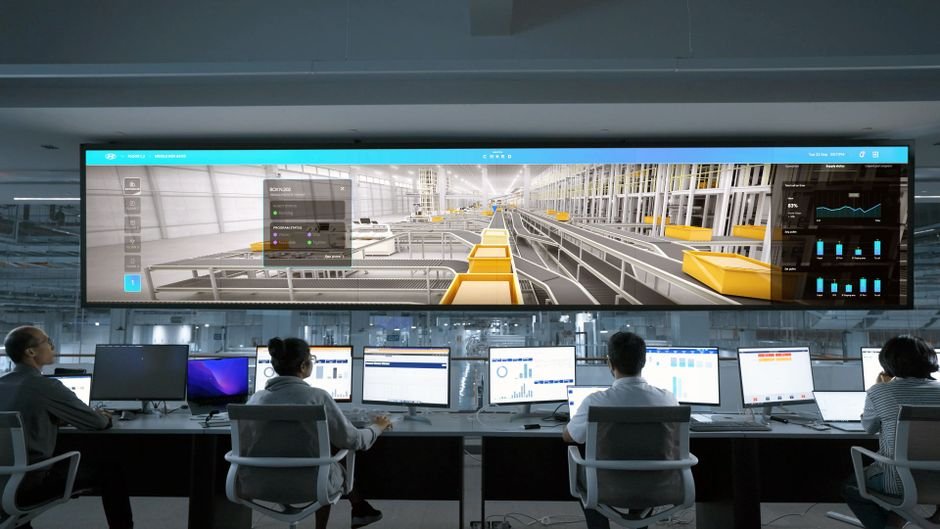
Deploying vision models for manufacturing and warehouse use cases. The highest-impact investments in computer vision operations are clear requirements, incremental delivery, strong integrations, and measurable KPIs — not chasing every new framework or feature.
Why Deploying vision models for manufacturing and warehouse use cases Matters in 2026
Business Context
Deploying vision models for manufacturing and warehouse use cases intersects with people and process as much as technology. Training, documentation, and change management often determine whether a project succeeds more than framework selection alone.
Build-versus-buy decisions around deploying vision models for manufacturing and warehouse use cases should include three-year total cost of ownership: licenses, hosting, support, internal maintenance, and opportunity cost of delayed features.
Market and Customer Expectations
The business case for deploying vision models for manufacturing and warehouse use cases depends on context: team size, existing stack, regulatory constraints, and customer expectations. What works for a ten-person startup rarely maps directly to a mid-market company with legacy ERP dependencies.
A/B testing and staged rollouts reduce risk when changing customer-facing aspects of deploying vision models for manufacturing and warehouse use cases. Feature flags let you validate hypotheses without exposing all users to unproven changes.
Core Concepts and Terminology
Essential Definitions
Deploying vision models for manufacturing and warehouse use cases intersects with people and process as much as technology. Training, documentation, and change management often determine whether a project succeeds more than framework selection alone.
How computer vision operations Fits Your Stack
Integration points deserve early attention. Deploying vision models for manufacturing and warehouse use cases rarely exists in isolation — it connects to authentication, billing, CRM, analytics, and customer-facing channels. Map these dependencies before writing core feature code.
Build-versus-buy decisions around deploying vision models for manufacturing and warehouse use cases should include three-year total cost of ownership: licenses, hosting, support, internal maintenance, and opportunity cost of delayed features.
Planning and Discovery
Requirements Gathering
The business case for deploying vision models for manufacturing and warehouse use cases depends on context: team size, existing stack, regulatory constraints, and customer expectations. What works for a ten-person startup rarely maps directly to a mid-market company with legacy ERP dependencies.
Hiring and upskilling plans should align with deploying vision models for manufacturing and warehouse use cases. If the stack requires specialized skills, budget training or contractor support during the first production quarter.
Stakeholder Alignment
Team structure affects deploying vision models for manufacturing and warehouse use cases outcomes. Cross-functional squads with product, engineering, and operations representation reduce handoff delays and improve operational readiness at launch.
A/B testing and staged rollouts reduce risk when changing customer-facing aspects of deploying vision models for manufacturing and warehouse use cases. Feature flags let you validate hypotheses without exposing all users to unproven changes.
Risk Assessment
Premature optimization is a common failure mode. Start with the simplest architecture that meets current requirements for deploying vision models for manufacturing and warehouse use cases, then refactor when metrics — not assumptions — justify added complexity.
Security for deploying vision models for manufacturing and warehouse use cases should be layered: authentication, authorization, input validation, encryption in transit and at rest, and regular dependency updates. Threat modeling during design catches expensive fixes earlier than post-launch audits.
Architecture and Technical Design
High-Level Architecture
Architecture decisions for deploying vision models for manufacturing and warehouse use cases should emphasize observability from day one: structured logging, error tracking, and performance baselines. Without visibility, optimization becomes guesswork and incidents last longer than necessary.
Data and Integration Layer
Architecture decisions for deploying vision models for manufacturing and warehouse use cases should emphasize observability from day one: structured logging, error tracking, and performance baselines. Without visibility, optimization becomes guesswork and incidents last longer than necessary.
Third-party services involved in deploying vision models for manufacturing and warehouse use cases expand your attack surface. Vet vendors for SOC 2 or equivalent assurances, document data flows, and maintain an inventory of API keys and integration credentials.
Scalability Considerations
Performance work on deploying vision models for manufacturing and warehouse use cases begins with measurement. Establish SLIs for latency, error rate, and throughput before tuning. Profile real user traffic patterns instead of synthetic benchmarks alone.
Every approach to deploying vision models for manufacturing and warehouse use cases involves trade-offs between speed, cost, flexibility, and maintainability. Document these explicitly when presenting options to stakeholders so decisions reflect business priorities, not developer preferences.
Data Strategy and Quality
Data Collection and Governance
Deploying vision models for manufacturing and warehouse use cases intersects with people and process as much as technology. Training, documentation, and change management often determine whether a project succeeds more than framework selection alone.
Security for deploying vision models for manufacturing and warehouse use cases should be layered: authentication, authorization, input validation, encryption in transit and at rest, and regular dependency updates. Threat modeling during design catches expensive fixes earlier than post-launch audits.
Turning Data into Decisions
Run periodic reviews of deploying vision models for manufacturing and warehouse use cases performance against baseline. Quarterly retrospectives surface drift, tech debt, and new requirements before they become crises.
Architecture decisions for deploying vision models for manufacturing and warehouse use cases should emphasize observability from day one: structured logging, error tracking, and performance baselines. Without visibility, optimization becomes guesswork and incidents last longer than necessary.
Implementation Roadmap
Phase 1: Foundation
Successful implementations of deploying vision models for manufacturing and warehouse use cases follow incremental delivery. Ship a narrow vertical slice, measure outcomes, then expand scope. Big-bang rollouts increase risk and make root-cause analysis harder when something breaks in production.
Phase 2: Core Features
Successful implementations of deploying vision models for manufacturing and warehouse use cases follow incremental delivery. Ship a narrow vertical slice, measure outcomes, then expand scope. Big-bang rollouts increase risk and make root-cause analysis harder when something breaks in production.
Mobile and international users amplify performance requirements for deploying vision models for manufacturing and warehouse use cases. Test on mid-range devices and high-latency networks to catch issues that desktop-focused development misses.
Phase 3: Optimization and Scale
Performance work on deploying vision models for manufacturing and warehouse use cases begins with measurement. Establish SLIs for latency, error rate, and throughput before tuning. Profile real user traffic patterns instead of synthetic benchmarks alone.
Define KPIs before launching deploying vision models for manufacturing and warehouse use cases: conversion lift, support ticket reduction, processing time saved, error rates, or revenue impact. Tie metrics to executive outcomes, not vanity technical stats.
Best Practices That Hold Up in Production
Development Standards
Architecture decisions for deploying vision models for manufacturing and warehouse use cases should emphasize observability from day one: structured logging, error tracking, and performance baselines. Without visibility, optimization becomes guesswork and incidents last longer than necessary.
Hiring and upskilling plans should align with deploying vision models for manufacturing and warehouse use cases. If the stack requires specialized skills, budget training or contractor support during the first production quarter.
Quality Assurance
Architecture decisions for deploying vision models for manufacturing and warehouse use cases should emphasize observability from day one: structured logging, error tracking, and performance baselines. Without visibility, optimization becomes guesswork and incidents last longer than necessary.
Another frequent error is ignoring content and data migration. Even strong deploying vision models for manufacturing and warehouse use cases implementations fail when historical records, SEO equity, or customer accounts do not transfer cleanly.
Deployment and Release Management
Integration points deserve early attention. Deploying vision models for manufacturing and warehouse use cases rarely exists in isolation — it connects to authentication, billing, CRM, analytics, and customer-facing channels. Map these dependencies before writing core feature code.
A/B testing and staged rollouts reduce risk when changing customer-facing aspects of deploying vision models for manufacturing and warehouse use cases. Feature flags let you validate hypotheses without exposing all users to unproven changes.
Security, Compliance, and Reliability
Security Fundamentals
Compliance requirements may constrain how you implement deploying vision models for manufacturing and warehouse use cases. Healthcare, finance, and government-adjacent sectors need audit trails, data residency controls, and access reviews built into the solution — not bolted on later.
Operational Resilience
Security for deploying vision models for manufacturing and warehouse use cases should be layered: authentication, authorization, input validation, encryption in transit and at rest, and regular dependency updates. Threat modeling during design catches expensive fixes earlier than post-launch audits.
Performance work on deploying vision models for manufacturing and warehouse use cases begins with measurement. Establish SLIs for latency, error rate, and throughput before tuning. Profile real user traffic patterns instead of synthetic benchmarks alone.
Cost, ROI, and Build-vs-Buy Decisions
Budgeting Realistically
Every approach to deploying vision models for manufacturing and warehouse use cases involves trade-offs between speed, cost, flexibility, and maintainability. Document these explicitly when presenting options to stakeholders so decisions reflect business priorities, not developer preferences.
Define KPIs before launching deploying vision models for manufacturing and warehouse use cases: conversion lift, support ticket reduction, processing time saved, error rates, or revenue impact. Tie metrics to executive outcomes, not vanity technical stats.
Calculating ROI
Run periodic reviews of deploying vision models for manufacturing and warehouse use cases performance against baseline. Quarterly retrospectives surface drift, tech debt, and new requirements before they become crises.
Every approach to deploying vision models for manufacturing and warehouse use cases involves trade-offs between speed, cost, flexibility, and maintainability. Document these explicitly when presenting options to stakeholders so decisions reflect business priorities, not developer preferences.
Common Pitfalls and How to Avoid Them
Technical Mistakes
Another frequent error is ignoring content and data migration. Even strong deploying vision models for manufacturing and warehouse use cases implementations fail when historical records, SEO equity, or customer accounts do not transfer cleanly.
Organizational Mistakes
Common mistakes with deploying vision models for manufacturing and warehouse use cases include skipping discovery, underestimating integration effort, neglecting mobile users, and choosing tools based on trends instead of requirements.
Team structure affects deploying vision models for manufacturing and warehouse use cases outcomes. Cross-functional squads with product, engineering, and operations representation reduce handoff delays and improve operational readiness at launch.
How MTD Technologies Approaches Computer Vision Operations
At MTD Technologies, we treat computer vision operations as a business capability — not a standalone technical exercise. That means discovery workshops, architecture aligned to your existing systems, and delivery in phases so you see measurable progress before committing to full scale.
Whether you need a new build, a modernization project, or expert guidance on deploying vision models for manufacturing and warehouse use cases, we focus on outcomes: faster operations, better customer experiences, and systems your team can maintain. Explore our ai & automation services, read more on the MTD Technologies blog, or contact us to discuss your project.
Frequently Asked Questions
What is computer vision operations and why does it matter?
Deploying vision models for manufacturing and warehouse use cases. For most businesses, computer vision operations becomes important when off-the-shelf tools no longer fit workflows, scale requirements, or integration needs.
How long does a typical computer vision operations project take?
Timelines vary by scope, but focused MVPs often ship in eight to sixteen weeks. Enterprise integrations, compliance work, or legacy migrations extend schedules — discovery should produce a realistic range before commitments.
What does computer vision operations cost?
Costs depend on complexity, integrations, and ongoing maintenance. Compare build costs against multi-year SaaS fees, internal maintenance, and opportunity cost. A phased roadmap spreads investment and validates ROI earlier.
Should we build in-house or hire a partner for deploying vision models for manufacturing and warehouse use cases?
In-house teams excel when they own the product long-term and have capacity. Partners accelerate delivery when internal bandwidth is limited, specialized skills are needed, or deadlines are fixed. Hybrid models — partner builds foundation, internal team extends — are common.
How does computer vision operations relate to ai & automation strategy?
AI & Automation initiatives succeed when technology choices map to measurable business outcomes. computer vision operations should support revenue, efficiency, or customer experience goals — not exist as an isolated IT project.
What should we prepare before starting?
Document current workflows, integration requirements, success metrics, compliance constraints, and stakeholder owners. Clear inputs reduce rework and help partners or internal teams estimate accurately.