
If you have been watching the open-source AI space this month, you have seen a new genre of repository take over GitHub’s trending pages: Claude skills that clone apps. The loudest example right now is replica-skill by Jake Schincariol — eleven free, MIT-licensed Claude skills that reverse-engineer an existing app, rebuild it feature by feature, test it, rebrand it, and ship it live. It earned roughly 3,700 stars and 630 forks in under three weeks. In this deep dive, we unpack exactly what it does, how the pipeline works, where it genuinely helps product teams, and where the honest limitations are — because cloning features is easy to promise and hard to ship well.
At MTD Technologies, we have spent nine years building web and mobile products for clients — which means we read tools like this with a builder’s eye, not a hype lens. Here is the practitioner verdict up front: replica-skill is a genuinely well-structured prototyping workflow, its guardrails against copying protected IP are better than most “clone any app” tools we have seen, and its review-mining skill is the one part we would steal first. But it is not a factory that turns ideas into revenue on its own. The rest of this article shows you why.
What the replica-skill actually is
Replica is not an app and not a service. It is a set of eleven Claude skills — markdown instruction files plus six small Python utilities — that you run inside Claude Code (or paste into a chat) to walk an AI agent through cloning an app end to end. The one-line pitch from the README: “Eleven Claude skills that clone any app. Free, MIT, no signup, no API key, nothing to connect.” The tools need only Python 3.8 or newer and touch nothing over the network.
The key design decision: it rebuilds what an app does, never what it owns — features and user flows, clean-room style. Not the original’s code, logo, copy, content, or private APIs. That distinction runs through the whole project, from the skill instructions to the automated “sweep” tool that blocks deployment until no trace of the original’s branding remains in your codebase.
What it can do: the eleven skills
The skills are meant to run in order, each reading what the last one wrote into a replica/ folder in your project:
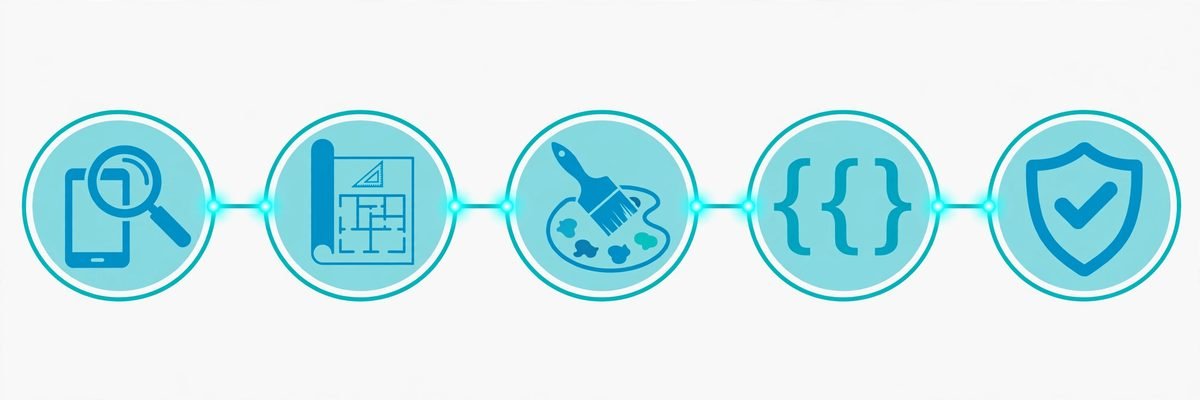
- /replica-recon — Reverse-engineers the target: screens, flows, components, data model, from public pages, screenshots, store listings, and your own account.
- /replica-architect — Plans the stack, database schema, and API. In the README’s scheduling-app example it picks Next.js, Postgres, Stripe, and Resend, and even writes a constraint so two guests can never book the same slot.
- /replica-design — Rebuilds the design system as tokens: colour roles, type scale, spacing, component specs — with your own assets, not the original’s.
- /replica-build — Rebuilds the app screen by screen from the recon map, ticking off a features.csv checklist.
- /replica-backend — Auth, database, payments, and integrations (Google Calendar via Google’s own API, Stripe, reminder emails).
- /replica-test — Writes a test plan from the flows, generates Playwright specs for happy paths and edge cases (time zones, a slot taken mid-booking, double submit), and logs bugs by severity.
- /replica-diff — Scores your clone against the original: a parity score plus what is missing.
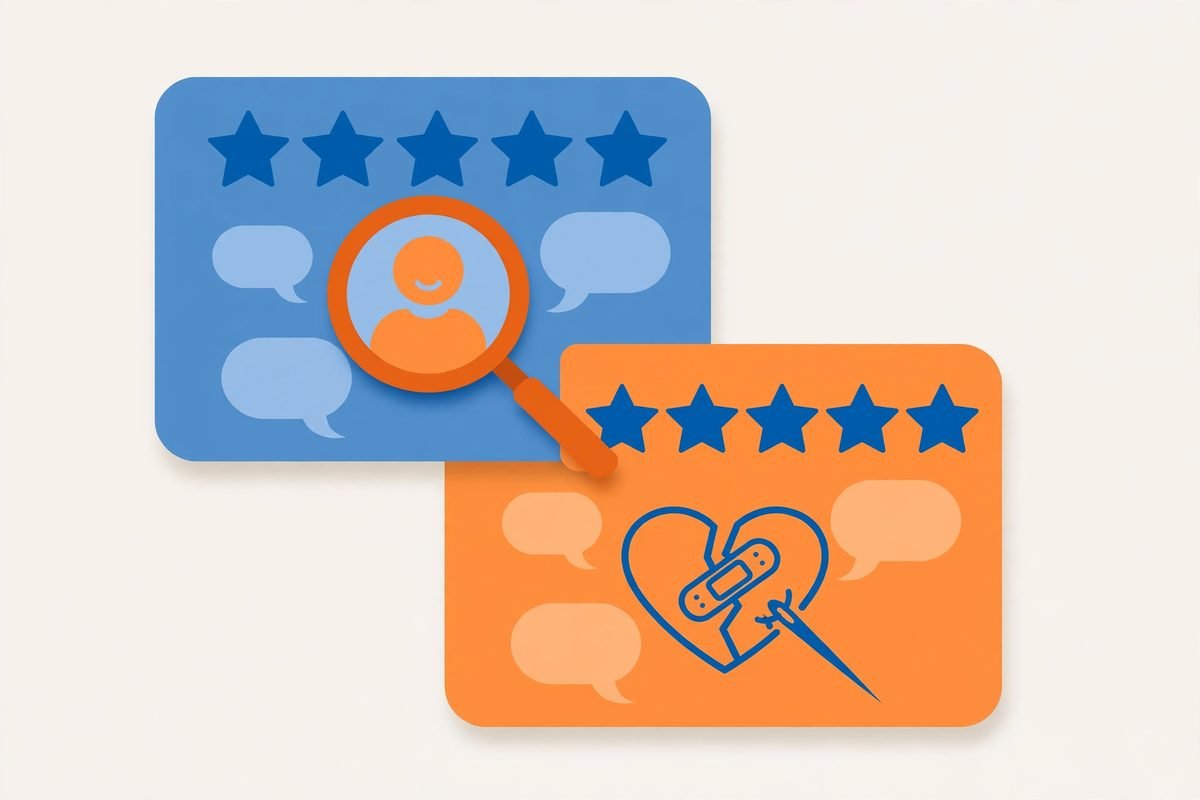
- /replica-entrepreneur — Reads the original app’s real user reviews and turns complaints into a fix plan and a positioning angle.
- /replica-brand — Renames and rebrands your version — new name, palette, logo brief, voice — and sweeps the codebase clean.
- /replica-launch — Landing page, pricing, and app-store listing, linted against store limits.
- /replica-deploy — Preflight checks, production setup, DNS records for your domain, and the actual ship.
Six Python tools back the skills: imgdiff.py compares screenshots as edge maps so your new colours do not count against layout parity; parity.py weights must/should/could features and refuses to call an app shippable while must-haves are missing; reviews.py ranks complaint themes with linked quotes; contrast.py checks WCAG contrast on your design tokens; sweep.py finds the original’s name or colours anywhere in your code, even inside identifiers; and listing.py checks store limits and copycat flags in your app-store copy.
How it works: install and run
Installation is deliberately low-friction. Paste the repo URL into Claude and say “install skill”, or install it as a Claude Code plugin:
/plugin marketplace add Jakeschincariol/replica-skill/plugin install replica-skill@replica-skill
Prefer plain skill commands like /replica-recon instead of namespaced ones? Clone the repo and copy the folders into ~/.claude/skills/ (or .claude/skills/ for project-local). No Claude Code at all? Any single SKILL.md pasted at the top of a chat runs as a mode — you lose the Python tools, but the method still works.
The canonical pipeline is:
recon → architect → design → build → backend → test → diff → entrepreneur → brand → launch → deploy
In the README’s worked example — cloning a scheduling app — recon produces 18 screens, 7 flows, and an inferred data model; architect orders the build “booking flow end to end first”; test writes Playwright specs for edge cases like time-zone confusion; diff scores “Features 86, all must-haves done, booking page layout 91”; entrepreneur reads 140 real reviews and finds the top complaints (per-seat price jumps, no text reminders, time-zone confusion), each with counts and linked quotes; and deploy refuses to ship until tests, parity, the brand sweep, and the listing all pass. It is the discipline of the pipeline, not any single clever trick, that makes this repo interesting.
Why it’s trending
Replica landed in the middle of two overlapping waves. First, Anthropic’s Agent Skills format turned “a folder of markdown plus scripts” into an installable unit of agent behaviour, and developers started publishing whole workflows — not just prompts — as skill libraries. Second, “clone any app” became a viral genre: independent coverage noted the repo picked up roughly 1,900 stars and 270 forks within about a week of its first commit, which is why it surfaced on GitHub’s list of new repositories with real traction (explainx.ai’s breakdown walks through the pipeline and its legal traps in detail).
The deeper reason it spread: most “AI builds apps” demos stop at a pretty landing page. Replica’s pitch is the unglamorous middle — recon maps, parity scores, review mining, rebranding sweeps, deploy preflights. Developers who have actually shipped products recognise that the middle is where clones die, so a free tool that systematises it gets bookmarked fast.
From our experience: the honest assessment
We build custom software for a living, and we have strong opinions about where a tool like this helps and where it misleads.
What we would actually use. The recon → architect → build chain is a solid rapid-prototyping loop: for validating a product idea, rebuilding an internal tool with a better stack, or producing a clickable demo for stakeholders in days instead of weeks, this structure beats a blank prompt. The entrepreneur skill is the standout — mining real reviews for fixable complaints is exactly how good product positioning is born, and the rule that every claim needs a linked quote with a stated sample size is the right honesty bar. We also respect the enforceable guardrails: parity tooling that says “not shippable” and a deploy gate that blocks on a dirty brand sweep are the kind of constraints that separate toys from tooling.
Where it will disappoint you. The README is admirably honest here: “A booking tool is weeks. A spreadsheet engine is not.” Recon quality is bounded by what is publicly visible — apps whose value lives in backend logic, data network effects, or integrations will produce thin recon maps and weaker clones. The repo was also very young at the time of writing (a single-digit commit history when covered), so treat the skills as a starting template you will iterate on, not a finished product. And no skill set removes the two hard parts of cloning: distribution (the original has users; you do not) and the legal review below.
When not to use it. Do not use it to clone a competitor’s proprietary workflow while logged into their paid tier against their terms — the fine print says exactly this and means it. Do not use it as a substitute for product thinking: a parity score of 91 on someone else’s booking page is not a business. And do not ship anything it produces without a human code review; agent-generated auth and payment code deserves the same scrutiny as a junior developer’s first pull request.
If you are a business evaluating AI-assisted development more broadly, this is the kind of workflow we set up for teams in our agentic AI development work — the tooling is new, but the discipline (spec first, test the edges, measure parity, rebrand before launch) is the same discipline that has always separated prototypes from products.
A responsible-use note
“Clone any app” is a legally loaded phrase, and the project’s fine print handles it better than most. Four rules worth internalising before you touch it:
- Functionality only, clean-room style. Study what the app does and how users move through it, then write everything fresh. Never copy source code, proprietary assets, logos, trademarks, copy, or private APIs.
- Only read what you are allowed to read. Public pages and your own account. Never scrape behind a login, never work against a site’s terms, never touch anyone else’s account or slip past a paywall.
- Always rebrand before launch. New name, new palette, new logo, new words — the deploy skill will not ship until the sweep is clean.
- “Clone any app” means features and flows. Not the content, the network, or the licences the app owns. You can rebuild a music app’s player and sharing; you cannot clone its catalogue.
The README adds the two sentences every founder should read twice: run the trademark checks the brand skill lists, and talk to a lawyer before launch if there is money on the line. “This is not legal advice” — and neither is this article. We have seen startups burn months on rebuilds that died at the trademark search; do that search in week one, not week twelve.
Getting started: a practical first run
- 1. Install the skills. In Claude Code, run
/plugin marketplace add Jakeschincariol/replica-skillthen/plugin install replica-skill@replica-skill. Verify Python 3.8+ is available for the tools. - 2. Pick a small, public target. Start with a simple app whose free tier or public pages expose the full flow — a booking widget, a todo app, a landing-page builder. Save the spreadsheet engine for later.
- 3. Run /replica-recon and read the output. Before building anything, judge the recon map: if the screens and flows look thin, the clone will be thin. Recon is your feasibility study.
- 4. Run /replica-entrepreneur early, even standalone. Point it at an app you are only thinking about cloning. If real reviews do not reveal fixable complaints with a real audience behind them, you have saved yourself weeks.
- 5. Build in the prescribed order. Let architect choose the stack and schema before build writes a line; let test write the plan before you declare victory. The pipeline order exists because skipping steps is how clones ship broken.
- 6. Rebrand before you show anyone. Run /replica-brand and the sweep, check trademarks and domains, and only then talk about launching. Your clone’s name should never invite a comparison you cannot win.
- 7. Deploy behind the preflight. /replica-deploy’s checklist (tests green, parity acceptable, sweep clean, listing linted) is a decent minimum bar for any AI-built product going live.
Frequently asked questions
Is replica-skill really free?
Yes. It is MIT licensed — take it, change it, ship it — with no signup, no API key, and nothing to connect. The Python tools use only the standard library. You will still pay for whatever the AI agent itself costs (your Claude Code usage) and for any hosting, domains, or third-party APIs your clone needs.
Does it copy the original app’s code?
No. It is designed as clean-room reconstruction: it studies features and user flows from public sources and your own account, then writes everything fresh. The fine print explicitly forbids copying source code, assets, logos, trademarks, copy, or private APIs, and the sweep tool blocks deployment if any of the original’s identity leaks into your codebase.
Can it clone any app, including mobile apps and SaaS platforms?
“Clone any app” means the features and the flow — not the content, the user network, or the licences the app owns. Simple, flow-driven apps (booking tools, dashboards, landing-page builders) are the sweet spot. Complex engines, apps whose value is their data network, or anything behind a paywall will produce thinner results, and the README is upfront that outcomes depend on the target’s complexity.
How is this different from just asking Claude to rebuild an app?
Structure and verification. A single prompt gives you one shot of generated code; replica-skill chains eleven specialised passes — recon maps, schema planning, design tokens, test plans, parity scoring, review mining, brand sweeps, deploy preflights — with artefacts each step that the next step reads. The parity and sweep tools in particular give you measurable gates instead of vibes.
Is it legal to clone an app’s features?
Features and UX patterns generally are not protected the way code, trademarks, and copyrighted assets are — but terms of service, trade dress, and trademark law create real boundaries, and they vary by jurisdiction. The project tells you to run its trademark checks, respect every target’s terms, and talk to a lawyer before launch if money is on the line. Do that; this article is not legal advice.
Claude skills that clone apps are not going away — the Agent Skills format made whole workflows portable, and replica-skill is the most complete free example of the genre so far. Used honestly, it is a fast way to prototype, to learn how good products are structured, and to find the gaps in competitors’ offerings that real users complain about. Used carelessly, it is a fast way to ship someone else’s trademark problem. The difference is the discipline in the middle: recon before build, tests before launch, rebrand before deploy. If your team wants that discipline applied to a real product — an internal tool, an MVP, or a full rebuild on a modern stack — talk to us. We have shipped 300+ of them, and we know exactly where the middle gets hard.
Browse more hands-on breakdowns in our AI Tools Directory.