

If you have Googled custom website development cost lately, you have seen the same unhelpful answer everywhere: somewhere between $500 and $100,000. That range is technically true and practically useless. After nine years of quoting, building, and maintaining business websites, here is the honest version — the price bands we see in the real market in 2026, what actually moves a quote up or down, and how to compare two proposals without getting burned.
The short answer: most small and mid-size businesses land between $3,000 and $15,000 for a professionally built custom website, with fully custom builds and e-commerce running far higher. The rest of this guide explains where your project fits and why.
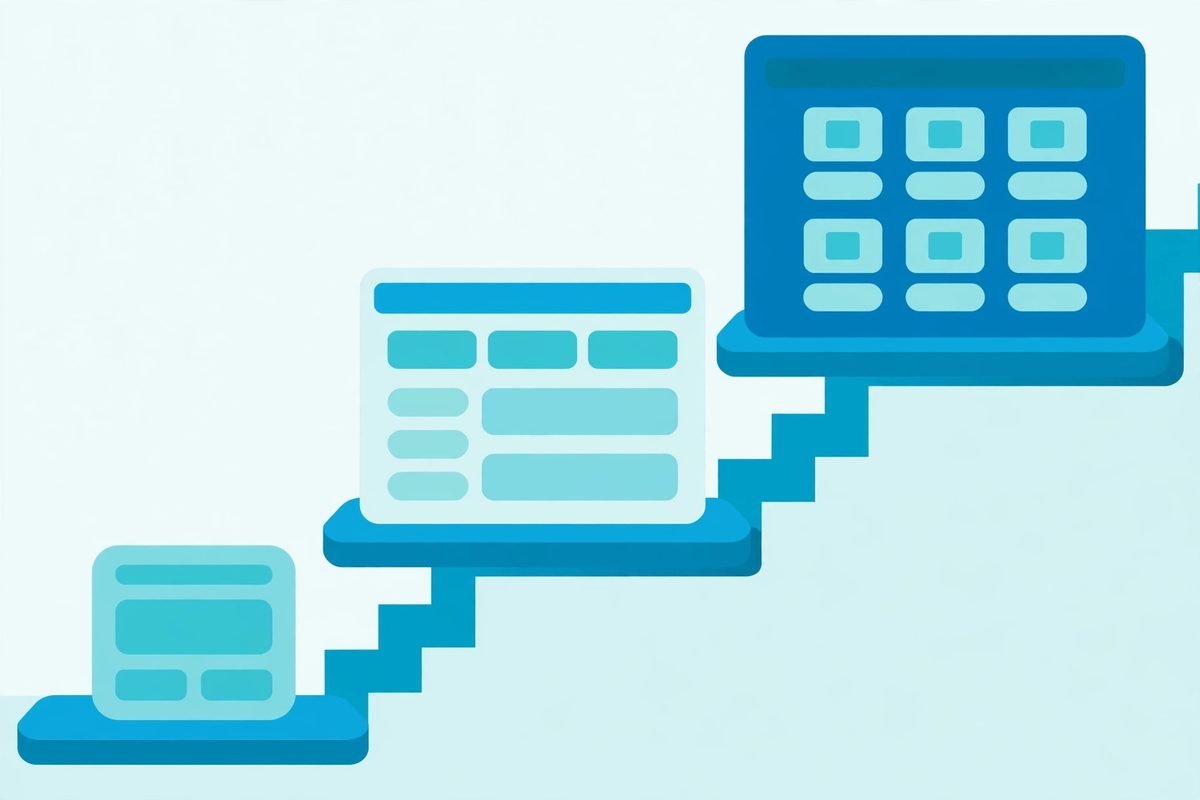
Custom website development cost: the 2026 price bands
Prices vary by country, but the structure of the market is remarkably consistent. Here is what the current 2026 data looks like across the main build types:
- DIY builder site (Wix, Squarespace): roughly $120–$600 per year. You do all the work; the result looks like a DIY site. Fine for validating an idea, risky for a business that depends on leads.
- Freelancer-built brochure site: roughly $1,500–$7,500. A simple informational site from an independent developer. In the UK, published 2026 pricing puts freelancer brochure sites at £500–£1,500, with custom-designed small business sites at £1,500–£4,000.
- Custom small-business website (agency): roughly $3,000–$15,000. Original design, mobile-friendly, SEO-ready, built to generate enquiries. This is the band where most established service businesses should be thinking. US market data places fully custom business websites at $16,000–$78,000 at the top end of serious bespoke work.
- Custom e-commerce: roughly $18,000–$98,000, driven almost entirely by product count, checkout complexity, and integrations. A simple 50-product store is a different project from a 5,000-product catalogue with ERP sync.
- Custom web application: $10,000–$40,000 and up. Client portals, booking platforms, dashboards, and SaaS-style products priced by functionality, not pages.
These bands are estimates, not quotations. A 2026 pricing breakdown based on US agency and freelancer projects, UK pricing data published by British designers, and market estimates for English-speaking countries all agree on the same shape: functionality and who does the work move the price far more than geography alone.
What actually moves the price (it is not page count)
The most common mistake in budget planning is quoting page count. A 20-page site built from three page templates is cheaper to build and maintain than a 10-page site with eight unique layouts. Quote template count, not page count — agencies know this, and experienced builders price layouts, components, and systems.
The real cost drivers, in rough order of impact:
- Original design vs template. A custom design system — typography, colour, spacing, components drawn for your brand — is the single biggest line item on a marketing site. Template-based builds can halve the design cost.
- Content readiness. Copywriting, photography, and video are routinely under-budgeted. A quote that assumes “client supplies all content” is not comparable to one that includes a copywriter. Ask.
- Integrations. Connecting the site to your CRM, booking system, payment gateway, or inventory feeds is where mid-range projects creep into five figures. Each integration is a small software project.
- Performance and SEO setup. Proper technical SEO, Core Web Vitals tuning, and accessibility work are invisible on a mockup and expensive to retrofit. They belong in the build, not in a “phase two” that never happens.
- Multilingual and accessibility requirements. Every additional language multiplies content work; WCAG compliance adds testing overhead. Both are worth it for the right business, neither is free.
What is new in 2026: AI-assisted builds and a higher performance bar
Two things have shifted the conversation in the last year. First, the performance bar moved. A well-built custom site can reliably hit sub-1.5-second Largest Contentful Paint on mobile — something heavy page builders structurally struggle with, because every plugin and visual-builder layer adds weight. Current platform comparisons show this is now one of the clearest technical divides between custom builds and builders.
Second, AI coding tools have compressed the time needed for standard marketing-site work. The honest effect: builds get faster to iterate, but strategy, design judgement, content, and QA do not get cheaper to skip. If a quote is dramatically below market, it is usually scope that has been cut, not efficiency that has been gained. You will pay for the cut scope later as change fees or a rebuild.
One more piece of 2026 arithmetic worth knowing: over three years, a mid-range custom build and a page-builder site often land within a few thousand dollars of each other once subscriptions, change fees, and maintenance are counted. The custom build costs more on day one and usually converts better; the builder costs less on day one and keeps billing you. Compare three-year total cost, not sticker price.
The hidden costs nobody puts in the quote
Build cost is only half the budget conversation. Plan for annual running costs of roughly 15–20% of the build price:
- Hosting: $30–$100 per month for managed WordPress hosting; more for high-traffic or application hosting.
- Maintenance: updates, backups, security monitoring, and small fixes. Skipping this is how sites get hacked — treat it as insurance, not optional.
- Content changes: new pages, seasonal updates, blog support. A site your team can update without a developer costs more to build and less to run.
- Domain, SSL, stock assets, premium plugins: small individually, they add up to a few hundred dollars a year.

How to compare two quotes fairly
Two quotes at $5,000 and $12,000 can describe the same website — or two completely different projects. Before choosing on price, get both vendors to answer the same questions in writing:
- How many unique page templates are included, not just pages?
- Is copywriting included, or are you supplying finished text?
- Who owns the code, the hosting account, and the domain?
- How many revision rounds, and what counts as a change request?
- What does month one after launch look like — what is covered, what costs extra?
- Can they show you a live site built at a similar budget?
A quote that is vague on these points is not cheaper; it is unpriced. The most expensive website is the one you pay for twice.
Frequently asked questions
Why do website quotes vary so much for what looks like the same site?
Because the visible design is a fraction of the work. Quotes differ on original design vs template, who writes the copy, how many integrations exist behind the scenes, performance and SEO setup, and whether maintenance is included. Two identical-looking homepages can hide wildly different scopes.
Can I get a good business website for $1,000?
You can get a clean brochure site at that budget from a freelancer or by building it yourself on a template — provided your content is ready and your needs are simple. What you cannot get for $1,000 is original design, custom functionality, copywriting, and SEO setup together. Know which one you are buying.
How long does a custom website take to build?
A standard small-business site typically takes 4–8 weeks from kickoff to launch; landing pages can ship in 2–4 weeks, and custom e-commerce or web applications run 8–16 weeks or more. The biggest schedule risk is almost never the build — it is waiting on content and feedback. Clients who prepare copy and decisions on time launch on time.
DIY builder or a custom build — which is right for my business?
If your website just needs to exist and look credible while you validate an offer, a builder is fine. If your site has to generate enquiries, load fast on mobile, rank on search, and represent your brand seriously, a custom build pays for itself. A useful rule: when the website becomes a revenue channel rather than a business card, it is time to build it properly.
Website pricing does not have to be a mystery. If you know your scope — your template count, your content readiness, your must-have integrations — a realistic budget follows naturally. Our web development team builds custom business websites in exactly these bands, and we quote every line item so you can see where the money goes. Tell us about your project and we will give you an honest number.