

Building a successful mobile app requires more than great functionality; it needs a sustainable revenue model. App monetization strategies vary widely, and choosing the right approach depends on your app’s purpose, audience, and market. Understanding these options helps developers create profitable applications without compromising user experience.
In-App Purchases
In-app purchases allow users to buy additional features, content, or virtual goods within the app. This model works well for games, productivity tools, and content-driven applications. The key is offering value that enhances the core experience without creating paywalls that frustrate users.

Cosmetic items, power-ups, and convenience features monetize without affecting competition. In-app purchases generate ongoing revenue from engaged users, creating a sustainable income stream beyond initial downloads.
Subscription Models
Subscriptions provide recurring revenue, creating predictable income for developers. This model suits apps offering ongoing value: productivity tools, content platforms, and services. The challenge is consistently delivering value that justifies continued payment.
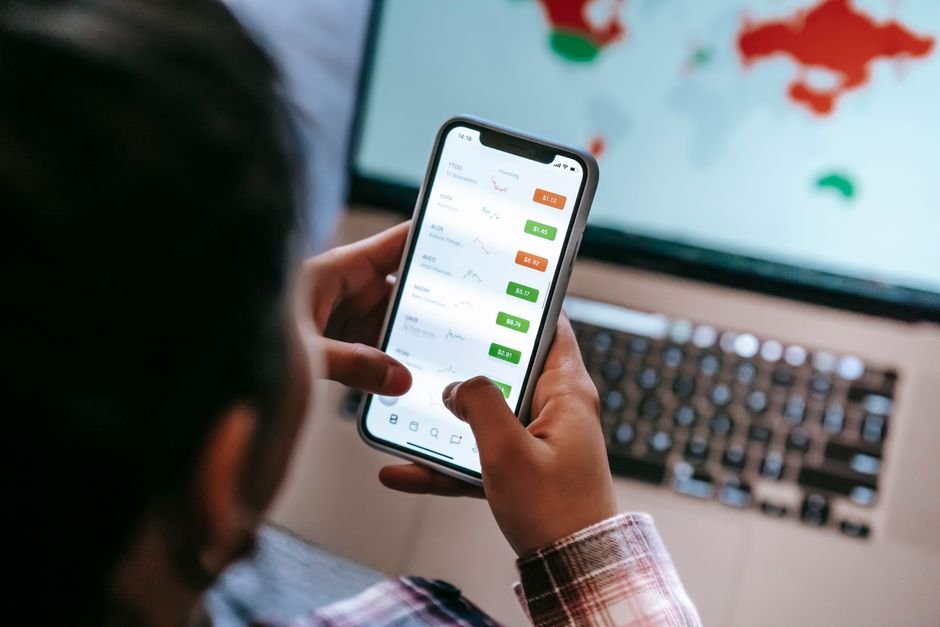
Tiered subscriptions cater to different user needs. Free tiers attract users, while premium tiers offer advanced features. This approach builds a user base while monetizing power users who need additional capabilities.
Freemium vs Paid
Freemium apps attract large user bases by offering basic functionality for free. Monetization comes from premium features or ads. This model requires careful balance—free features must be useful enough to attract users, while premium features must provide clear additional value.
Paid apps generate revenue immediately but face higher barriers to adoption. This model works for specialized tools with clear value propositions. Success depends on strong marketing and demonstrated superiority over free alternatives.
Advertising Integration
p>Display ads, interstitials, and rewarded videos generate revenue based on user engagement. Ad networks like AdMob and Facebook Audience Network provide easy integration. The challenge is balancing ad revenue with user experience.Rewarded ads offer users incentives for viewing advertisements, creating a value exchange. Users gain benefits while developers earn revenue. This approach often generates higher engagement than passive display advertising.
Sponsorships and Partnerships
Brand partnerships and sponsorships provide revenue beyond traditional advertising. Co-branded features, sponsored content, and affiliate programs can generate significant income while adding value for users.
Partnerships must align with your app’s purpose and audience. Authentic integrations that benefit users create sustainable relationships. Forced partnerships feel intrusive and damage user trust.
Choosing the Right Strategy
Consider your app’s core value proposition. Productivity tools often succeed with subscriptions, while games thrive on in-app purchases. Content apps may combine subscriptions with advertising.
Analyze your target audience. Users accustomed to paying for quality software may accept paid apps or subscriptions. Broader audiences often prefer freemium models with optional purchases.
Test different approaches. A/B testing monetization strategies reveals what users accept and what generates sustainable revenue. Start simple and iterate based on data.
Common Mistakes
Over-monetization drives users away. Aggressive advertising, excessive paywalls, and intrusive prompts create negative experiences. Revenue optimization must balance with user satisfaction.
Ignoring user feedback leads to poor monetization decisions. Users will tell you what they value and what they resent. Listening and adapting creates sustainable revenue models.
Neglecting analytics prevents data-driven optimization. Track conversion rates, revenue per user, and churn to understand what works. Without data, monetization decisions are guesswork.
Measuring Success
Revenue per user (ARPU) indicates monetization effectiveness. Customer lifetime value (CLV) measures long-term profitability. Conversion rates show how effectively you monetize your user base.
p>User retention metrics reveal whether monetization strategies affect engagement. High churn suggests monetization is driving users away. Sustainable models maintain or improve retention while generating revenue.Key Takeaway
Successful mobile app monetization requires aligning revenue models with user expectations and app purpose. Subscriptions, in-app purchases, and advertising each have strengths and weaknesses. Testing, measuring, and adapting create sustainable revenue without compromising user experience.
Frequently Asked Questions
Can I use multiple monetization strategies?
Many successful apps combine strategies. Subscriptions with in-app purchases, or freemium with advertising, diversify revenue streams. Test combinations to find what works for your audience.
How do I avoid annoying users with ads?
Use non-intrusive ad formats, frequency cap displays, and offer ad-free options. Rewarded ads provide value exchange, making advertising feel less intrusive.
What revenue can I expect?
Revenue varies dramatically by app category, audience, and execution. Focus on providing value first; sustainable revenue follows engaged users.
How do I price subscriptions?
Research competitor pricing, test different price points, and consider tiered options. Start with reasonable prices and adjust based on user feedback and conversion data.
Ready to monetize your mobile app effectively? Contact our mobile development team to discuss revenue strategies that balance profitability with user experience.
Explore our mobile app development services to see how we build profitable applications.